The Science Behind Collagen: Understanding Its Role in the Body
Collagen is one of the most abundant proteins in the human body, playing a crucial role in maintaining the structure and integrity of various tissues. This article delves into the science behind collagen, exploring its functions, types, sources, and the impact of age and lifestyle on collagen levels. Understanding these aspects can enhance our appreciation of this vital protein and its significance for overall health.
What is Collagen?
[Internal Link: Related Guide]
Collagen is a fibrous protein that serves as a major building block for bones, skin, muscles, tendons, and ligaments. It is composed of amino acids, primarily glycine, proline, and hydroxyproline, which are linked together in a unique triple-helix structure. This structure provides collagen with its tensile strength and resilience, making it essential for maintaining the structural integrity of various tissues.
Types of Collagen
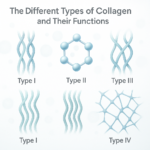
There are at least 28 different types of collagen, but the most common types in the human body are Types I, II, and III. Each type has distinct functions and locations:
- Type I: This is the most abundant type of collagen, making up about 90% of the collagen in the body. It is found in skin, bones, tendons, and ligaments, providing strength and structure.
- Type II: Primarily found in cartilage, Type II collagen is essential for joint health and mobility. It helps maintain the shape and elasticity of cartilage, preventing wear and tear.
- Type III: Often found alongside Type I collagen, Type III is present in skin, blood vessels, and internal organs. It provides support and elasticity, particularly in younger skin.
The Functions of Collagen
Collagen serves several critical functions in the body:
1. Structural Support
[Internal Link: Beginner Resource]
Collagen provides structural support to tissues, helping to maintain their shape and strength. It acts as a scaffold for cells, allowing them to adhere and function properly.
2. Skin Elasticity and Hydration
Collagen contributes to skin elasticity and hydration, playing a vital role in preventing sagging and wrinkles. As we age, collagen production decreases, leading to signs of aging.
3. Joint Health
Type II collagen is particularly important for joint health, as it helps maintain the cartilage that cushions joints. Adequate collagen levels can reduce the risk of joint pain and arthritis.
4. Bone Strength
Collagen provides structural strength to bones. It serves as a framework for the deposition of minerals, such as calcium, which are critical for bone density and strength.
5. Wound Healing
Collagen plays a key role in wound healing by providing a scaffold for new tissue formation. It helps to close wounds and promotes the growth of new blood vessels.
Sources of Collagen
Collagen can be obtained from both food sources and supplements. Here are some common sources:
1. Animal Sources
Animal products are rich in collagen, including:
- Bone Broth: Made by simmering animal bones, bone broth is an excellent source of collagen and other nutrients.
- Meat: Cuts of meat that contain connective tissue, such as brisket and shank, are high in collagen.
- Fish: Fish skin and scales are rich in Type I collagen.
- Dairy Products: Some dairy products contain collagen, though in smaller amounts compared to meat.
2. Plant Sources
While collagen is primarily found in animal products, certain plant-based foods can help support the body’s collagen production:
- Citrus Fruits: High in vitamin C, citrus fruits aid in collagen synthesis.
- Berries: Rich in antioxidants, they help protect collagen from damage.
- Nuts and Seeds: Provide essential fatty acids and minerals that support collagen production.
- Leafy Greens: Contain chlorophyll, which may increase collagen levels in the body.
Collagen Production in the Body
Collagen is produced by specialized cells called fibroblasts. The process of collagen synthesis involves several steps:
1. Amino Acid Synthesis
The body requires specific amino acids to produce collagen. These amino acids are obtained from protein-rich foods. Glycine and proline are particularly important for collagen formation.
2. Vitamin C Role
Vitamin C is essential for collagen synthesis as it helps stabilize the collagen structure. It acts as a cofactor for enzymes involved in the hydroxylation of proline and lysine, which are crucial steps in collagen formation.
3. Cross-Linking
Once collagen molecules are synthesized, they undergo a process called cross-linking, which enhances their strength and stability. This process is crucial for the proper functioning of collagen in various tissues.
The Impact of Aging on Collagen Levels
As we age, collagen production naturally declines. This decrease can lead to various signs of aging, including:
- Wrinkles and Sagging Skin: Reduced collagen levels contribute to a loss of skin elasticity and firmness.
- Joint Pain: Decreased Type II collagen can lead to joint degeneration and discomfort.
- Bone Density Loss: Reduced collagen may contribute to osteoporosis and increased fracture risk.
- Slower Wound Healing: Aging skin takes longer to heal due to decreased collagen production.
Factors Affecting Collagen Levels
Aside from aging, several lifestyle factors can influence collagen production:
1. Diet
A diet rich in protein, vitamins, and minerals supports collagen synthesis. Conversely, excessive sugar and processed foods can damage collagen and hinder its production.
2. Sun Exposure
Ultraviolet (UV) radiation can degrade collagen fibers in the skin, leading to premature aging and skin damage.
3. Smoking
Smoking has been shown to reduce collagen production and promote skin aging, contributing to wrinkles and other skin issues.
4. Stress
Chronic stress can lead to an imbalance of hormones that negatively affect collagen production, impacting skin health and overall well-being.
Collagen Supplements
Collagen supplements have gained popularity in recent years, with claims of improving skin health, joint pain, and overall well-being. These supplements typically come in the form of hydrolyzed collagen, which is broken down into smaller peptides for better absorption. While some studies suggest potential benefits, it’s essential to approach supplements with caution and consult a healthcare professional before use.
Potential Benefits of Collagen Supplements
While research is ongoing, some potential benefits of collagen supplements include:
- Improved Skin Health: Some studies suggest that collagen supplementation may enhance skin elasticity, hydration, and reduce wrinkles.
- Joint Pain Relief: Collagen supplements may help reduce joint pain and improve mobility in individuals with osteoarthritis.
- Bone Health: Collagen may support bone density and strength, potentially reducing the risk of fractures.
- Muscle Mass: Some research indicates that collagen supplementation may help increase muscle mass in conjunction with resistance training.
Collagen-Rich Recipes
Incorporating collagen-rich foods into your diet can be both delicious and nutritious. Here are a few simple recipes:
1. Bone Broth
Ingredients:
- 2-3 pounds of bones (beef, chicken, or fish)
- 2 tablespoons apple cider vinegar
- Vegetables (carrots, onions, celery)
- Water
Instructions:
- Place bones in a large pot and cover with water.
- Add apple cider vinegar and let sit for 30 minutes.
- Add vegetables and bring to a boil.
- Reduce heat and simmer for 12-24 hours.
- Strain and store in the refrigerator or freezer.
2. Collagen Smoothie
Ingredients:
- 1 cup spinach
- 1 banana
- 1 cup almond milk
- 1 scoop collagen powder
- 1 tablespoon almond butter
Instructions:
- Combine all ingredients in a blender.
- Blend until smooth and creamy.
- Serve immediately.
3. Citrus Salad with Nuts
Ingredients:
- 2 cups mixed greens
- 1 orange, segmented
- 1 grapefruit, segmented
- 1/4 cup walnuts or almonds
- Olive oil and balsamic vinegar for dressing
Instructions:
- In a large bowl, combine mixed greens, orange, grapefruit, and nuts.
- Drizzle with olive oil and balsamic vinegar.
- Toss gently and serve.
Conclusion
Collagen is a vital protein that plays numerous roles in maintaining the structure and health of various tissues in the body. Understanding the science behind collagen, its functions, sources, and factors affecting its production can empower individuals to make informed choices for their health. As research continues to uncover the potential benefits of collagen supplements, it is essential to approach them with caution and prioritize a balanced diet rich in collagen-boosting nutrients.
FAQs
What is collagen, and why is it important?
Collagen is a fibrous protein that provides structural support to various tissues in the body, including skin, bones, and joints. It is essential for maintaining the integrity and strength of these tissues.
How can I increase collagen production naturally?
You can increase collagen production by consuming a balanced diet rich in protein, vitamin C, and antioxidants. Foods such as bone broth, citrus fruits, and leafy greens can support collagen synthesis.
Are collagen supplements effective?
Some studies suggest that collagen supplements may improve skin health, joint pain, and bone density. However, more research is needed to fully understand their effectiveness, and it is advisable to consult a healthcare professional before starting any supplement regimen.
At what age does collagen production begin to decline?
Collagen production typically begins to decline in the mid-20s, with a noticeable decrease in levels as individuals age, leading to signs of aging such as wrinkles and joint discomfort.
Can a vegetarian or vegan diet support collagen production?
While collagen itself is not found in plant-based foods, a vegetarian or vegan diet can support collagen production by including foods rich in vitamins, minerals, and amino acids essential for collagen synthesis, such as beans, nuts, seeds, and leafy greens.
Related posts:
 Collagen Peptides: What They Are and Why They Work Better
 Understanding Collagen: The Body’s Essential Protein
 The Science of Collagen: Understanding Its Role in the Body
 The Different Types of Collagen and Their Functions
 Is Collagen a Protein? A Complete Guide to Understanding Collagen and Its Role in the Body
Vegetarian Collagen Alternatives: The Complete Guide
Is Collagen a Protein? A Complete Guide to Understanding Collagen and Its Role in the Body
Vegetarian Collagen Alternatives: The Complete Guide