The Science of Collagen: Understanding Its Role in the Body
Collagen is often referred to as the body’s scaffolding. This essential protein plays a crucial role in maintaining the structure and integrity of various tissues and organs. From skin elasticity to joint health, collagen is involved in numerous physiological functions. In this article, we will delve into the science of collagen, exploring its types, functions, synthesis, and the factors affecting its levels in the body.
What is Collagen?
[Internal Link: Related Guide]
Collagen is the most abundant protein in the human body, accounting for approximately 30% of the total protein content. It is a key structural component found in connective tissues, skin, muscles, bones, and cartilage. The primary function of collagen is to provide strength and support, helping to maintain the structural integrity of various tissues.
Types of Collagen
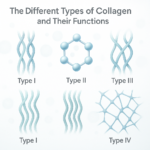
There are at least 16 different types of collagen, but the majority of collagen in the body is made up of only four types:
- Type I: This is the most abundant type of collagen, found in skin, tendons, ligaments, and bones. It provides tensile strength and is essential for skin elasticity and firmness.
- Type II: Primarily located in cartilage, Type II collagen is crucial for joint health and flexibility. It helps maintain the structure of cartilage, which cushions the joints.
- Type III: This type is often found alongside Type I collagen and is present in skin, blood vessels, and internal organs. It supports the structure of these tissues and is vital for wound healing.
- Type IV: Found in the basal lamina, a layer of the extracellular matrix, Type IV collagen plays a critical role in filtration and is essential for the integrity of membranes.
The Functions of Collagen
Collagen serves various functions in the body, including:
- Structural Support: Collagen provides strength and structure to bones, skin, tendons, and ligaments, helping to maintain the overall integrity of these tissues.
- Skin Elasticity: Collagen contributes to skin elasticity and hydration, helping to prevent sagging and wrinkles.
- Joint Health: Collagen is a key component of cartilage, providing cushioning and support to joints, which is essential for mobility and reducing the risk of injury.
- Wound Healing: Collagen plays a vital role in the body’s healing process, promoting tissue repair and regeneration after injury.
- Bone Health: Collagen provides the framework for bone mineralization, contributing to bone strength and density.
Collagen Synthesis in the Body
The body synthesizes collagen through a complex process involving various cells and nutrients. The synthesis occurs primarily in fibroblasts, which are specialized cells found in connective tissues. Here’s an overview of the collagen synthesis process:
1. Amino Acid Formation
[Internal Link: Beginner Resource]
The building blocks of collagen are amino acids, particularly glycine, proline, and hydroxyproline. These amino acids are obtained from dietary proteins and play a crucial role in collagen formation.
2. Procollagen Formation
Inside the fibroblasts, amino acids are assembled into chains to form procollagen. This initial form of collagen is not yet functional and requires further processing.
3. Hydroxylation
Proline and lysine residues in procollagen undergo hydroxylation, a process that adds hydroxyl groups. This step is dependent on vitamin C, which is essential for collagen stability and function.
4. Triple Helix Formation
Three procollagen chains twist together to form a triple helix structure, which provides the strength and stability characteristic of collagen.
5. Secretion and Cross-Linking
The triple helix is then secreted into the extracellular space, where it undergoes further processing. Enzymes facilitate the cross-linking of collagen fibers, enhancing their strength and durability.
Factors Affecting Collagen Levels
Several factors can influence collagen production and levels in the body:
1. Age
As individuals age, collagen production naturally declines. This decrease can lead to signs of aging, such as wrinkles, sagging skin, and joint stiffness.
2. Diet
A diet rich in nutrients, particularly protein, vitamins (especially vitamin C), and minerals, is essential for optimal collagen synthesis. Certain foods, such as bone broth, fish, chicken, and leafy greens, can support collagen production.
3. Lifestyle Choices
Factors such as smoking, excessive alcohol consumption, and a sedentary lifestyle can negatively impact collagen levels. Quitting smoking and maintaining an active lifestyle can help preserve collagen integrity.
4. Sun Exposure
Ultraviolet (UV) radiation from sun exposure can degrade collagen in the skin, leading to premature aging and a higher risk of skin damage. Protecting the skin from UV rays through sunscreen and protective clothing is essential for maintaining collagen levels.
5. Hormonal Changes
Hormonal fluctuations, particularly during menopause, can affect collagen production. Estrogen plays a role in collagen synthesis, and decreased levels can lead to a decline in collagen content in the skin and other tissues.
Collagen in Health and Disease
Collagen plays a significant role in various health conditions. Understanding these relationships can provide insights into the importance of collagen in overall health.
1. Skin Disorders
Conditions such as psoriasis, eczema, and acne can be linked to collagen degradation. Maintaining healthy collagen levels may help improve skin conditions and promote healing.
2. Joint Disorders
Osteoarthritis and rheumatoid arthritis are characterized by the degradation of cartilage, which is primarily composed of collagen. Supporting collagen health may help alleviate symptoms and improve joint function.
3. Bone Health
Osteoporosis, a condition characterized by weakened bones, can be influenced by collagen levels. Adequate collagen is necessary for maintaining bone density and strength, highlighting the importance of collagen in skeletal health.
4. Cardiovascular Health
Collagen is a vital component of blood vessels and contributes to their elasticity and strength. Collagen degradation can lead to vascular diseases, emphasizing the need for maintaining healthy collagen levels for cardiovascular health.
Collagen Supplements: Do They Work?
Collagen supplements have gained popularity in recent years, with many individuals seeking to improve skin health, joint function, and overall well-being. But do these supplements actually work?
1. Types of Collagen Supplements
Collagen supplements are available in various forms, including powders, capsules, and liquid. They often contain hydrolyzed collagen, which is broken down into smaller peptides for better absorption.
2. Evidence of Effectiveness
Some studies suggest that collagen supplements can improve skin elasticity, hydration, and reduce the appearance of wrinkles. Additionally, research indicates that collagen peptides may support joint health by promoting cartilage synthesis and reducing pain in individuals with osteoarthritis.
3. Considerations
While collagen supplements may offer benefits, they should not be viewed as a miracle solution. A balanced diet, rich in essential nutrients, is crucial for overall health and collagen synthesis. Furthermore, individual results may vary based on factors such as age, lifestyle, and overall health.
Natural Sources of Collagen
Incorporating natural sources of collagen into your diet can support the body’s collagen production. Here are some foods that are rich in collagen or promote its synthesis:
- Bone Broth: Made by simmering animal bones, bone broth is rich in collagen and gelatin, which can support joint and skin health.
- Fish: Fish, especially those with skin, are excellent sources of collagen. Fish skin contains high levels of collagen that can benefit skin elasticity.
- Poultry: Chicken and turkey are rich in collagen, particularly in the skin and connective tissues.
- Leafy Greens: Vegetables like spinach and kale contain chlorophyll, which may help increase collagen levels.
- Fruits: Citrus fruits, berries, and avocados are rich in vitamin C, which is essential for collagen synthesis.
Conclusion
Collagen is a vital protein that plays a significant role in maintaining the structure and function of various tissues in the body. Understanding the science behind collagen, its types, functions, and the factors that influence its levels can empower individuals to make informed choices about their health. While collagen supplements may offer benefits, a balanced diet rich in natural sources of collagen and essential nutrients is key to supporting overall well-being. As research continues to evolve, the importance of collagen in health and disease remains a fascinating area of study.
FAQs
What is collagen, and why is it important?
Collagen is the most abundant protein in the body, providing structural support to skin, bones, tendons, and cartilage. It is essential for maintaining skin elasticity, joint health, and overall tissue integrity.
How many types of collagen are there?
There are at least 16 types of collagen, with Types I, II, III, and IV being the most prevalent in the human body. Each type has specific functions and locations within the body.
What factors can decrease collagen levels in the body?
Factors such as aging, poor diet, sun exposure, smoking, and hormonal changes can lead to a decrease in collagen levels, affecting skin health, joint function, and overall well-being.
Can collagen supplements help improve skin health?
Some studies suggest that collagen supplements can improve skin elasticity and hydration. However, results may vary based on individual factors, and a balanced diet is also crucial for skin health.
What foods can help boost collagen production?
Foods rich in collagen or those that promote its synthesis include bone broth, fish, poultry, leafy greens, citrus fruits, and berries. A diet rich in vitamin C and protein is essential for optimal collagen production.
Related posts:
 Collagen Peptides: What They Are and Why They Work Better
 Understanding Collagen: The Body’s Essential Protein
 The Science of Collagen: Understanding Its Role in the Body
 The Different Types of Collagen and Their Functions
 Is Collagen a Protein? A Complete Guide to Understanding Collagen and Its Role in the Body
Vegetarian Collagen Alternatives: The Complete Guide
Is Collagen a Protein? A Complete Guide to Understanding Collagen and Its Role in the Body
Vegetarian Collagen Alternatives: The Complete Guide