Types of Collagen: What You Need to Know
Collagen is the most abundant protein in the human body, playing a crucial role in maintaining the structure and integrity of various tissues. It serves as a building block for bones, skin, muscles, tendons, and ligaments. While many people are aware of collagen’s importance, fewer understand the different types of collagen and their unique functions. In this article, we will explore the various types of collagen, their characteristics, and their significance in the body.
What is Collagen?
[Internal Link: Related Guide]
Collagen is a protein made up of amino acids, primarily glycine, proline, and hydroxyproline. It is produced by fibroblasts and is a vital component of connective tissues. Collagen provides strength and elasticity, making it essential for the overall health of skin, bones, cartilage, and other tissues. As we age, collagen production declines, leading to signs of aging such as wrinkles and joint pain.
Types of Collagen
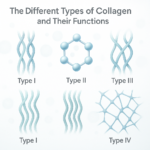
There are at least 16 different types of collagen identified, but the majority of collagen in the body consists of just four main types: Type I, Type II, Type III, and Type IV. Each type has distinct properties and functions.
Type I Collagen
[Internal Link: Beginner Resource]
Type I collagen is the most abundant type in the human body, accounting for about 90% of the collagen found in the skin, tendons, organs, and bones. It is known for its tensile strength, making it essential for providing structural support to various tissues.
- Sources: Type I collagen is primarily found in skin, tendons, and bones.
- Functions: It provides strength and elasticity to the skin and supports the structure of bones and tendons.
- Health Benefits: Supplementation with Type I collagen may improve skin elasticity, hydration, and reduce the appearance of wrinkles.
Type II Collagen
Type II collagen is primarily found in elastic cartilage, which provides support and cushioning in joints. It is vital for maintaining the integrity of cartilage and plays a significant role in joint health.
- Sources: Type II collagen is mainly found in cartilage, particularly in the joints and spine.
- Functions: It helps maintain the structure and function of cartilage, providing support and reducing friction in joints.
- Health Benefits: Type II collagen supplementation may help alleviate joint pain and improve mobility, particularly in individuals with osteoarthritis.
Type III Collagen
Type III collagen is often found alongside Type I collagen and is primarily located in the skin, blood vessels, and internal organs. It is essential for the structural integrity of these tissues.
- Sources: Type III collagen is found in skin, blood vessels, and the walls of hollow organs.
- Functions: It provides elasticity and support, contributing to the structure of skin and blood vessels.
- Health Benefits: Type III collagen may support skin health and improve the appearance of aging skin.
Type IV Collagen
Type IV collagen differs from the other types as it forms a mesh-like structure rather than fibrils. It is primarily found in the basal lamina, a layer of the extracellular matrix that supports epithelial cells.
- Sources: Type IV collagen is located in the basal membranes of tissues such as the skin, lungs, and kidneys.
- Functions: It provides support and filtration in the basal lamina, playing a crucial role in tissue maintenance.
- Health Benefits: While not commonly supplemented, maintaining healthy Type IV collagen levels is essential for overall tissue health.
Other Types of Collagen
In addition to the four primary types, there are several other types of collagen, each with specific functions:
Type V Collagen
Type V collagen is involved in the formation of cell surfaces and hair. It is often found in the placenta and plays a role in the development of tissues.
Type VI Collagen
Type VI collagen is found in many connective tissues and helps anchor collagen fibers to the cells. It is essential for maintaining tissue structure and integrity.
Type VII Collagen
Type VII collagen forms anchoring fibrils that help attach the epidermis to the dermis, providing structural support to the skin.
Type VIII Collagen
Type VIII collagen is found in the endothelium and is involved in the formation of blood vessels.
Type IX Collagen
Type IX collagen is found in cartilage and plays a role in the integrity and function of cartilage, particularly in the joints.
Type X Collagen
Type X collagen is associated with the growth plate in bones and is important for endochondral ossification, the process by which bone tissue is created.
Collagen Sources
Collagen can be sourced from both animal and plant origins. The most common sources include:
- Animal Sources: Bone broth, chicken skin, fish skin, and collagen supplements derived from bovine or marine sources.
- Plant Sources: While plants do not contain collagen, some foods are rich in nutrients that support collagen production, such as vitamin C, zinc, and copper. Examples include citrus fruits, nuts, seeds, and leafy greens.
Collagen Supplements
Collagen supplements have gained popularity in recent years, often marketed for their potential benefits for skin, hair, nails, and joints. They are available in various forms, including powders, capsules, and liquids. Common types of collagen supplements include:
- Hydrolyzed Collagen: This form has been broken down into smaller peptides for easier absorption.
- Gelatin: A cooked form of collagen that can be used in cooking and baking.
- Collagen Peptides: A soluble form of collagen that can be mixed into beverages and foods.
How to Boost Collagen Production Naturally
In addition to supplementation, several lifestyle practices can help boost collagen production in the body:
- Eat a Balanced Diet: Incorporate foods rich in vitamin C, zinc, and amino acids to support collagen synthesis.
- Stay Hydrated: Proper hydration is essential for maintaining skin elasticity and overall health.
- Avoid Excessive Sun Exposure: Protect your skin from UV rays, which can break down collagen and lead to premature aging.
- Limit Sugar Intake: High sugar consumption can lead to the glycation of collagen, negatively affecting its structure.
- Exercise Regularly: Physical activity can promote circulation and support overall skin health.
Collagen and Aging
As we age, natural collagen production decreases, leading to various signs of aging, including wrinkles, sagging skin, and joint pain. Understanding the types of collagen and their roles can help individuals make informed choices about their health and skincare routines. While topical products can provide temporary benefits, dietary sources and supplements may offer more sustained improvements in collagen levels.
Conclusion
Collagen plays a vital role in maintaining the structure and function of various tissues in the body. Understanding the different types of collagen can help individuals appreciate their significance and make informed choices about their health. Whether through dietary sources, supplements, or lifestyle changes, supporting collagen production is essential for overall well-being.
FAQs
What are the main types of collagen?
The main types of collagen are Type I, Type II, Type III, and Type IV. Each type has specific functions and is found in various tissues throughout the body.
How can I increase collagen production naturally?
You can boost collagen production by eating a balanced diet rich in vitamin C and amino acids, staying hydrated, protecting your skin from sun damage, and avoiding excessive sugar intake.
Are collagen supplements effective?
Collagen supplements may be effective in improving skin elasticity, hydration, and joint health, but results can vary among individuals.
What foods are good sources of collagen?
Good sources of collagen include bone broth, chicken skin, fish skin, and foods rich in nutrients that support collagen production, such as citrus fruits, nuts, and leafy greens.
Can collagen supplements help with joint pain?
Some studies suggest that Type II collagen supplements may help alleviate joint pain and improve mobility, particularly in individuals with osteoarthritis.
Related posts:
 Collagen Peptides: What They Are and Why They Work Better
 Understanding Collagen: The Body’s Essential Protein
 The Science of Collagen: Understanding Its Role in the Body
 The Different Types of Collagen and Their Functions
 Is Collagen a Protein? A Complete Guide to Understanding Collagen and Its Role in the Body
Vegetarian Collagen Alternatives: The Complete Guide
Is Collagen a Protein? A Complete Guide to Understanding Collagen and Its Role in the Body
Vegetarian Collagen Alternatives: The Complete Guide