The Different Types of Collagen and Their Functions
Collagen is a vital protein that plays a crucial role in maintaining the structure and integrity of various tissues in the body. It is the most abundant protein in mammals, making up about 30% of the total protein content. Collagen is found in skin, bones, muscles, tendons, and ligaments, providing strength and elasticity. As we age, collagen production decreases, leading to visible signs of aging and a decline in joint health. Understanding the different types of collagen and their functions can help individuals make informed decisions about their health and wellness.
What is Collagen?
[Internal Link: Related Guide]
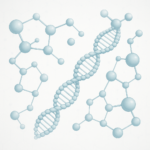
Collagen is a complex protein made up of amino acids, primarily glycine, proline, and hydroxyproline. It has a unique triple-helix structure that allows it to form strong fibers, which provide support and structure to various tissues. Collagen is produced by specialized cells called fibroblasts, which are found in connective tissues throughout the body.
Types of Collagen
There are at least 28 different types of collagen identified in the human body, but the majority of collagen is categorized into four main types: Type I, Type II, Type III, and Type IV. Each type has distinct properties and functions, which are essential for specific tissues. Below is a detailed overview of these primary collagen types.
Type I Collagen
[Internal Link: Beginner Resource]
Type I collagen is the most abundant type in the human body, accounting for approximately 90% of the collagen found in skin, bones, tendons, and ligaments. It is known for its strength and durability, making it essential for the structural integrity of various tissues.
- Location: Skin, bones, tendons, ligaments, and blood vessels.
- Function: Provides tensile strength and support to tissues, helps in wound healing, and maintains the overall structure of the skin.
Type II Collagen
Type II collagen is primarily found in cartilage and is crucial for joint health. It provides the necessary support and elasticity to cartilage, allowing it to withstand pressure and provide cushioning between bones.
- Location: Cartilage, intervertebral discs, and the vitreous humor of the eye.
- Function: Supports joint function, provides cushioning, and helps maintain the integrity of cartilage.
Type III Collagen
Type III collagen is often found alongside Type I collagen and is particularly abundant in tissues that require flexibility and strength, such as skin and blood vessels. It is essential during the early stages of wound healing.
- Location: Skin, blood vessels, and internal organs.
- Function: Provides structural support, aids in wound healing, and maintains the elasticity of tissues.
Type IV Collagen
Type IV collagen is unique as it is found in the basal membranes, which are thin layers of tissue that separate different types of cells. This type of collagen plays a significant role in filtration and support.
- Location: Basal membranes, kidney glomeruli, and the inner ear.
- Function: Provides structural support, facilitates filtration, and contributes to the integrity of the extracellular matrix.
Other Types of Collagen
While Type I, II, III, and IV are the most common types, there are several other types of collagen that serve specific functions in the body. Here are a few notable examples:
Type V Collagen
- Location: Hair, placenta, and cell surfaces.
- Function: Involved in the regulation of collagen fibril formation and plays a role in the development of tissues.
Type VI Collagen
- Location: Connective tissues, including skin and cartilage.
- Function: Provides support to other collagen types and is involved in cell signaling and tissue repair.
Type VII Collagen
- Location: Anchoring fibrils in the skin.
- Function: Helps anchor the epidermis to the dermis, contributing to skin stability.
Type VIII Collagen
- Location: Endothelial cells and corneal tissues.
- Function: Plays a role in cell adhesion and the integrity of blood vessels.
Type IX Collagen
- Location: Cartilage.
- Function: Involved in the interaction between cartilage and other extracellular matrix components.
The Role of Collagen in Health
Collagen is essential for maintaining the health and integrity of various tissues. Its functions extend beyond structural support; it also plays a role in several biological processes:
Skin Health
Collagen is a key component of the skin, contributing to its elasticity and firmness. As collagen levels decrease with age, the skin may become thinner, less elastic, and more prone to wrinkles. Maintaining adequate collagen levels can help promote youthful-looking skin.
Joint Health
Type II collagen is particularly important for joint health, as it helps maintain the integrity of cartilage. A decline in collagen can lead to joint pain and conditions such as osteoarthritis. Supplementing with collagen may support joint function and reduce pain.
Bone Health
Type I collagen provides the framework for bone structure, making it a critical component of bone health. Adequate collagen levels are necessary for maintaining bone density and strength, reducing the risk of fractures.
Wound Healing
Collagen plays a significant role in wound healing by providing a scaffold for new tissue formation. Type III collagen, in particular, is prevalent during the early stages of healing. Promoting collagen synthesis can enhance recovery from injuries.
Sources of Collagen
Collagen can be obtained from various dietary sources, which can support the body’s natural collagen production. Here are some common sources:
Animal Sources
- Bone Broth: Made by simmering animal bones, bone broth is rich in collagen and amino acids.
- Chicken Skin: A good source of Type II collagen, commonly found in poultry.
- Fish: Fish skin and scales contain Type I collagen, making seafood a beneficial source.
- Beef: Beef, especially cuts with connective tissue, is high in Type I collagen.
Plant Sources
While collagen is primarily found in animal products, certain plant-based foods can support the body’s collagen production:
- Berries: Rich in antioxidants, berries help protect collagen from damage.
- Leafy Greens: Spinach and kale contain chlorophyll, which may boost collagen production.
- Nuts and Seeds: These provide essential fatty acids and nutrients that support skin health.
- Citrus Fruits: High in vitamin C, citrus fruits are essential for collagen synthesis.
Collagen Supplements
Collagen supplements have gained popularity in recent years as a means to support skin, joint, and overall health. These supplements come in various forms, including powders, capsules, and drinks. The most common types of collagen in supplements are Type I and Type III, derived from bovine or marine sources.
Benefits of Collagen Supplements
- Improved Skin Elasticity: Studies suggest that collagen supplements can enhance skin hydration and elasticity.
- Joint Pain Relief: Collagen supplementation may help reduce symptoms of osteoarthritis and improve joint function.
- Support for Muscle Mass: Collagen can aid in muscle mass retention and recovery after exercise.
- Bone Health: Regular collagen intake may help improve bone density and strength.
Considerations When Using Collagen Supplements
While collagen supplements can offer potential benefits, it is essential to consider the following:
- Quality: Choose high-quality collagen supplements from reputable brands to ensure purity and efficacy.
- Dosage: Follow recommended dosages and consult with a healthcare professional if unsure.
- Diet: A balanced diet rich in vitamins and minerals can complement collagen supplementation.
Conclusion
Collagen is a vital protein that supports the structure and function of various tissues in the body. Understanding the different types of collagen and their specific roles can help individuals appreciate the importance of this protein for overall health. Whether through dietary sources, supplements, or lifestyle choices, maintaining optimal collagen levels is key to promoting skin, joint, and bone health. As research continues to explore the benefits of collagen, it remains a significant focus in the fields of nutrition and wellness.
FAQs
What is collagen made of?
Collagen is primarily made up of amino acids, with glycine, proline, and hydroxyproline being the most abundant. These amino acids form a unique triple-helix structure that gives collagen its strength and stability.
How can I boost my collagen production naturally?
You can boost collagen production by consuming foods rich in vitamin C, such as citrus fruits, berries, and leafy greens. Additionally, incorporating bone broth, fish, and poultry into your diet can provide the necessary building blocks for collagen synthesis.
Are collagen supplements effective?
Research indicates that collagen supplements can be effective in improving skin elasticity, reducing joint pain, and supporting overall health. However, results may vary from person to person, and it is advisable to consult a healthcare professional before starting any supplement regimen.
Can I get collagen from plant-based sources?
While collagen itself is primarily found in animal products, certain plant-based foods can support the body’s natural collagen production. Foods rich in antioxidants, vitamins, and minerals, such as berries, leafy greens, and nuts, can help promote collagen synthesis.
Is it safe to take collagen supplements every day?
For most people, taking collagen supplements daily is considered safe. However, it is essential to follow the recommended dosage and consult with a healthcare provider if you have any underlying health conditions or concerns.
Related posts:
 Collagen Peptides: What They Are and Why They Work Better
 Understanding Collagen: The Body’s Essential Protein
 The Science of Collagen: Understanding Its Role in the Body
 Understanding Collagen: The Body’s Structural Protein
 Is Collagen a Protein? A Complete Guide to Understanding Collagen and Its Role in the Body
Vegetarian Collagen Alternatives: The Complete Guide
Is Collagen a Protein? A Complete Guide to Understanding Collagen and Its Role in the Body
Vegetarian Collagen Alternatives: The Complete Guide