The Science of Collagen: Understanding Its Role in the Human Body
Collagen is one of the most abundant proteins in the human body, playing a crucial role in maintaining the structure and function of various tissues. From skin and bones to tendons and ligaments, collagen provides strength and elasticity, making it essential for overall health. This article delves into the science of collagen, exploring its types, functions, production, and the effects of aging on collagen levels.
What is Collagen?
[Internal Link: Related Guide]
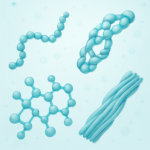
Collagen is a fibrous protein that forms the building blocks of various tissues in the body. It is primarily composed of amino acids, including glycine, proline, and hydroxyproline. Collagen’s unique structure, characterized by its triple-helix formation, allows it to provide tensile strength and support to various organs and tissues.
Types of Collagen
There are at least 28 different types of collagen, but the majority of collagen in the human body falls into four primary categories:
- Type I: This is the most abundant type, making up about 90% of the collagen in the body. It is found in skin, tendons, bones, and ligaments.
- Type II: Primarily found in cartilage, Type II collagen provides support and elasticity, crucial for joint health.
- Type III: Often found alongside Type I, this type is present in skin, blood vessels, and internal organs, contributing to their structure and elasticity.
- Type IV: This type is primarily located in the basal lamina, a layer of the extracellular matrix that supports the cells in various tissues.
The Role of Collagen in the Human Body
Collagen serves numerous functions within the human body, contributing to both structural integrity and physiological processes. Here are some of the key roles of collagen:
1. Structural Support
[Internal Link: Beginner Resource]
Collagen provides the framework for various tissues, ensuring they maintain their shape and structural integrity. In skin, collagen contributes to firmness and elasticity, while in bones, it provides the necessary strength to withstand physical stress.
2. Joint Health
Type II collagen is particularly important for joint health, as it makes up a significant portion of cartilage. Cartilage serves as a cushion between joints, allowing for smooth movement and reducing friction. Adequate collagen levels can help prevent joint pain and degenerative conditions such as osteoarthritis.
3. Skin Elasticity and Hydration
Collagen plays a vital role in maintaining skin elasticity and hydration. As we age, collagen production decreases, leading to sagging skin and wrinkles. By maintaining collagen levels, it is possible to support youthful-looking skin.
4. Wound Healing
Collagen is essential for wound healing, as it helps to form new tissue and blood vessels. When the skin is injured, collagen fibers are deposited at the site of the wound, aiding in repair and regeneration.
5. Bone Health
Collagen is a key component of bone tissue, providing the structural framework for bone mineralization. It helps maintain bone density and strength, reducing the risk of fractures and osteoporosis.
Collagen Production in the Body
The body produces collagen through a complex process that involves several steps:
1. Amino Acid Synthesis
The first step in collagen production is the synthesis of amino acids, which are the building blocks of proteins. The body obtains amino acids from dietary protein sources.
2. Proline and Lysine Hydroxylation
After amino acids are synthesized, specific enzymes convert proline and lysine into hydroxyproline and hydroxylysine, respectively. This hydroxylation process is essential for the stability of the collagen triple helix.
3. Triple Helix Formation
The hydroxylated amino acids then combine to form the characteristic triple helix structure of collagen, providing strength and stability.
4. Extracellular Matrix Assembly
Once the collagen molecules are formed, they are secreted into the extracellular space, where they assemble into fibrils and fibers that contribute to the extracellular matrix of tissues.
Factors Affecting Collagen Production
Several factors can influence collagen production in the body, including:
1. Age
As individuals age, collagen production decreases, leading to a decline in skin elasticity, joint health, and overall tissue integrity. This process typically begins in the mid-20s and accelerates in the 40s and beyond.
2. Nutrition
A diet rich in nutrients that support collagen synthesis, such as vitamin C, zinc, and copper, can enhance collagen production. Foods such as citrus fruits, nuts, seeds, and leafy greens are beneficial.
3. Lifestyle Factors
Smoking, excessive alcohol consumption, and a sedentary lifestyle can negatively impact collagen levels. Conversely, regular exercise and hydration can promote collagen synthesis.
4. Sun Exposure
Ultraviolet (UV) radiation from the sun can damage collagen fibers and inhibit collagen production, leading to premature aging of the skin. Protecting the skin from sun exposure is essential for maintaining collagen levels.
The Effects of Aging on Collagen
Aging is one of the most significant factors that affect collagen levels in the body. As individuals age, the following changes occur:
1. Decreased Production
Collagen production naturally declines with age, resulting in thinner skin, decreased elasticity, and increased wrinkles. This decline can begin as early as the mid-20s.
2. Structural Changes
With age, existing collagen fibers undergo structural changes, becoming more rigid and less organized. This can lead to a loss of skin firmness and increased sagging.
3. Increased Breakdown
The body’s natural repair mechanisms become less efficient with age, leading to an increased breakdown of collagen. This imbalance between production and degradation contributes to the visible signs of aging.
Collagen Supplementation: Does It Work?
Collagen supplements, available in various forms such as powders, capsules, and drinks, have gained popularity in recent years. While research is still ongoing, some studies suggest that collagen supplementation may have benefits for skin elasticity, joint health, and overall well-being.
1. Skin Health
Several studies have indicated that collagen peptides may improve skin hydration and elasticity, potentially leading to a reduction in wrinkles. The bioavailability of collagen peptides may enhance their absorption and effectiveness.
2. Joint Health
Research has shown that collagen supplementation may help alleviate joint pain and improve mobility in individuals with osteoarthritis. The anti-inflammatory properties of collagen may contribute to these benefits.
3. Muscle Mass
Some studies suggest that collagen supplementation may help increase muscle mass when combined with resistance training, potentially benefiting individuals looking to improve their physical fitness.
Natural Sources of Collagen
In addition to supplements, collagen can be obtained from various food sources, primarily those rich in protein. Here are some natural sources of collagen:
- Bone Broth: Made by simmering animal bones and connective tissues, bone broth is rich in collagen and other beneficial nutrients.
- Meat: Cuts of meat that contain connective tissue, such as brisket and chuck, are good sources of collagen.
- Fish: Fish, particularly the skin and scales, are rich in collagen, with marine collagen being highly bioavailable.
- Eggs: Egg whites contain proline, an amino acid necessary for collagen production.
- Dairy Products: Milk, cheese, and yogurt can provide amino acids that support collagen synthesis.
Promoting Collagen Production Naturally
To support natural collagen production in the body, consider the following lifestyle and dietary tips:
1. Eat a Balanced Diet
Incorporate a variety of nutrient-dense foods into your diet, focusing on those rich in vitamin C, zinc, and amino acids. Fruits, vegetables, lean proteins, and healthy fats can all contribute to collagen synthesis.
2. Stay Hydrated
Proper hydration is essential for maintaining skin health and promoting collagen production. Aim to drink plenty of water throughout the day.
3. Protect Your Skin
Use sunscreen to protect your skin from UV damage, which can accelerate collagen breakdown. Additionally, consider using skincare products that contain antioxidants to support skin health.
4. Exercise Regularly
Engaging in regular physical activity can help improve circulation, promoting nutrient delivery to skin and connective tissues, which may support collagen synthesis.
5. Avoid Smoking and Limit Alcohol
Avoiding smoking and limiting alcohol consumption can help protect collagen levels, as both can contribute to skin aging and collagen degradation.
Conclusion
Collagen is an essential protein that plays a vital role in maintaining the structure and function of various tissues in the human body. Understanding its importance can help individuals make informed choices about their health and wellness. As we age, maintaining collagen levels becomes increasingly important, and adopting a healthy lifestyle can support natural collagen production. Whether through dietary sources, supplements, or lifestyle changes, individuals can take proactive steps to promote collagen health and overall well-being.
FAQs
What is collagen, and why is it important?
Collagen is a fibrous protein that provides structural support to various tissues in the body, including skin, bones, tendons, and ligaments. It is essential for maintaining skin elasticity, joint health, and overall tissue integrity.
How many types of collagen are there?
There are at least 28 different types of collagen, but the most common types are Type I, Type II, Type III, and Type IV, each serving different functions in the body.
How can I increase collagen production naturally?
To promote collagen production, focus on a balanced diet rich in vitamins and amino acids, stay hydrated, protect your skin from UV damage, exercise regularly, and avoid smoking and excessive alcohol consumption.
Are collagen supplements effective?
Some studies suggest that collagen supplements may improve skin elasticity and joint health. However, more research is needed to fully understand their effectiveness and long-term benefits.
What foods are high in collagen?
Foods rich in collagen include bone broth, cuts of meat with connective tissue, fish, eggs, and dairy products. These foods provide the amino acids necessary for collagen synthesis.
At what age does collagen production start to decline?
Collagen production typically begins to decline in the mid-20s, with a more noticeable decrease occurring in the 40s and beyond, contributing to visible signs of aging.
Related posts:
 Collagen Peptides: What They Are and Why They Work Better
 Understanding Collagen: The Body’s Essential Protein
 Collagen Types: Exploring the Different Forms and Their Functions
 Understanding Collagen: The Body’s Structural Protein
 Is Collagen a Protein? A Complete Guide to Understanding Collagen and Its Role in the Body
Vegetarian Collagen Alternatives: The Complete Guide
Is Collagen a Protein? A Complete Guide to Understanding Collagen and Its Role in the Body
Vegetarian Collagen Alternatives: The Complete Guide