Understanding Collagen: The Body’s Structural Protein
Collagen is an essential protein that plays a crucial role in maintaining the structural integrity of various tissues in the human body. Found in connective tissues, collagen contributes to the strength, elasticity, and overall health of skin, bones, tendons, ligaments, and cartilage. This article aims to explore the various aspects of collagen, including its types, functions, sources, and how it affects our health as we age.
What is Collagen?
[Internal Link: Related Guide]
Collagen is the most abundant protein in the human body, accounting for approximately 30% of the total protein content. It is a key component of the extracellular matrix, providing structural support to cells and tissues. Collagen consists of long chains of amino acids, which are organized into a triple helix structure that gives it strength and stability.
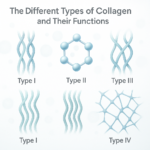
Types of Collagen
There are at least 28 different types of collagen, but the most prevalent types in the human body are Types I, II, and III. Each type serves distinct functions and is found in different tissues.
Type I Collagen
[Internal Link: Beginner Resource]
Type I collagen is the most abundant form, making up about 90% of the collagen in the human body. It is primarily found in:
- Skin
- Tendons
- Ligaments
- Bone
- Cornea
This type of collagen provides tensile strength and helps maintain the structural integrity of these tissues.
Type II Collagen
Type II collagen is primarily found in cartilage, making it crucial for joint health. It provides support and resilience, allowing cartilage to withstand pressure and provide cushioning between bones. This type is vital for:
- Articular cartilage
- Intervertebral discs
- Ear cartilage
Type III Collagen
Type III collagen is often found alongside Type I collagen, particularly in tissues that require flexibility and elasticity. It is prevalent in:
- Skin
- Blood vessels
- Internal organs
This type of collagen is essential for the structure of soft tissues and plays a role in wound healing.
Functions of Collagen
Collagen serves various functions in the body, contributing to overall health and well-being. Some of its primary functions include:
Structural Support
Collagen provides structural support to various tissues, maintaining their shape and integrity. It acts as a scaffold, allowing cells to adhere and grow, which is essential for tissue repair and regeneration.
Skin Elasticity and Hydration
Collagen is a key component of the skin, contributing to its elasticity and hydration. It helps maintain the skin’s firmness and suppleness, reducing the appearance of wrinkles and fine lines.
Joint Health
Type II collagen is vital for maintaining healthy cartilage in joints. It helps reduce friction between bones, providing cushioning and support during movement. This is particularly important for individuals with active lifestyles or those suffering from joint-related conditions.
Bone Strength
Collagen plays a significant role in bone health by providing a framework for mineral deposition. It helps maintain bone density and strength, reducing the risk of fractures and osteoporosis.
Wound Healing
Collagen is crucial for the wound healing process. It aids in the formation of new tissue and blood vessels, promoting faster recovery from injuries.
Sources of Collagen
Collagen can be obtained from various dietary sources, as well as through supplementation. Understanding these sources can help individuals maintain optimal collagen levels in their bodies.
Animal-Based Sources
Animal products are rich in collagen, particularly from connective tissues. Some good sources include:
- Bone broth
- Chicken skin
- Pork skin
- Fish skin and scales
- Gelatin (derived from collagen)
Plant-Based Sources
While collagen is primarily found in animal products, certain plant-based foods can support collagen production in the body. These include:
- Leafy greens (spinach, kale)
- Fruits rich in vitamin C (oranges, strawberries, kiwi)
- Nuts and seeds (almonds, chia seeds)
- Legumes (beans, lentils)
- Whole grains (quinoa, brown rice)
These foods contain nutrients that help stimulate collagen production and maintain skin health.
Collagen Supplementation
Collagen supplements have gained popularity in recent years as a means to support skin, joint, and overall health. These supplements typically come in the form of powders, capsules, or liquid. Some common types of collagen supplements include:
Hydrolyzed Collagen
Hydrolyzed collagen, also known as collagen peptides, is a form of collagen that has been broken down into smaller peptides for better absorption. It is often derived from bovine or marine sources and is commonly used in supplements.
Gelatin
Gelatin is a cooked form of collagen that is often used in cooking and baking. It can also be consumed as a supplement and is known for its potential benefits for gut health and skin elasticity.
Collagen-Boosting Supplements
Some supplements combine collagen with other nutrients, such as vitamin C, hyaluronic acid, and biotin, to enhance its effectiveness. These formulations aim to support skin, hair, and nail health.
Collagen and Aging
As we age, our bodies naturally produce less collagen, leading to various signs of aging. The decline in collagen production can result in:
- Wrinkles and sagging skin
- Joint pain and stiffness
- Weakened bones
- Slower wound healing
To counteract these effects, many individuals turn to collagen supplementation or dietary changes to support collagen levels and promote healthy aging.
Factors Affecting Collagen Production
Several factors can influence collagen production in the body, including:
Diet
A diet lacking in essential nutrients, such as vitamin C, amino acids, and antioxidants, can hinder collagen production. Consuming a balanced diet rich in these nutrients can support collagen synthesis.
Sun Exposure
Excessive sun exposure can damage collagen fibers in the skin, leading to premature aging and reduced elasticity. Protecting the skin from UV rays with sunscreen and protective clothing can help preserve collagen levels.
Smoking
Smoking is known to accelerate the breakdown of collagen and elastin in the skin, leading to wrinkles and other signs of aging. Quitting smoking can have a positive impact on skin health and collagen levels.
Hormonal Changes
Hormonal fluctuations, particularly during menopause, can affect collagen production. Women may experience a decline in collagen levels due to decreased estrogen production, leading to changes in skin and joint health.
Myths and Misconceptions about Collagen
Despite the growing interest in collagen, several myths and misconceptions persist. Addressing these can help individuals make informed decisions about collagen supplementation and dietary choices.
Myth 1: All Collagen Supplements Are the Same
Not all collagen supplements are created equal. Different types of collagen (I, II, III) serve various functions in the body. It is essential to choose a supplement that aligns with your specific health goals.
Myth 2: Collagen Can Replace a Healthy Diet
While collagen supplements can support overall health, they should not be viewed as a substitute for a balanced diet. Whole foods provide a range of nutrients necessary for optimal health, including vitamins and minerals that support collagen synthesis.
Myth 3: Collagen Is Only for Skin Health
While collagen is often associated with skin health, it is also crucial for joint health, bone strength, and overall tissue support. Its benefits extend beyond just aesthetics.
Conclusion
Understanding collagen and its vital role in the body is essential for maintaining overall health and well-being. As we age, supporting collagen production through diet, supplementation, and lifestyle choices becomes increasingly important. By addressing factors that influence collagen levels and debunking common myths, individuals can take proactive steps to protect their collagen and promote healthy aging.
FAQs
What is collagen, and why is it important?
Collagen is a structural protein that provides strength and support to various tissues in the body, including skin, bones, tendons, and cartilage. It is essential for maintaining the integrity and health of these tissues.
How can I increase my collagen levels naturally?
You can increase collagen levels naturally by consuming a balanced diet rich in nutrients that support collagen production, such as vitamin C, amino acids, and antioxidants. Foods like leafy greens, fruits, nuts, and fish are beneficial.
Are collagen supplements effective?
Collagen supplements can be effective in supporting skin health, joint function, and overall well-being. However, the effectiveness may vary based on individual factors and the type of collagen used in the supplement.
What are the side effects of collagen supplements?
Collagen supplements are generally considered safe for most individuals. However, some may experience mild digestive discomfort or allergic reactions, particularly if they are derived from specific animal sources. It is advisable to consult a healthcare professional before starting any supplementation.
Can I get collagen from plant-based sources?
While collagen itself is not found in plant-based foods, certain nutrients from plants can support collagen production in the body. Foods rich in vitamin C, antioxidants, and amino acids can help stimulate collagen synthesis.
How does aging affect collagen production?
As we age, natural collagen production decreases, leading to signs of aging such as wrinkles, sagging skin, and joint stiffness. Supporting collagen levels through diet and lifestyle choices can help mitigate these effects.
Related posts:
 Collagen Peptides: What They Are and Why They Work Better
 Understanding Collagen: The Body’s Essential Protein
 The Science of Collagen: Understanding Its Role in the Body
 The Different Types of Collagen and Their Functions
 Is Collagen a Protein? A Complete Guide to Understanding Collagen and Its Role in the Body
Vegetarian Collagen Alternatives: The Complete Guide
Is Collagen a Protein? A Complete Guide to Understanding Collagen and Its Role in the Body
Vegetarian Collagen Alternatives: The Complete Guide