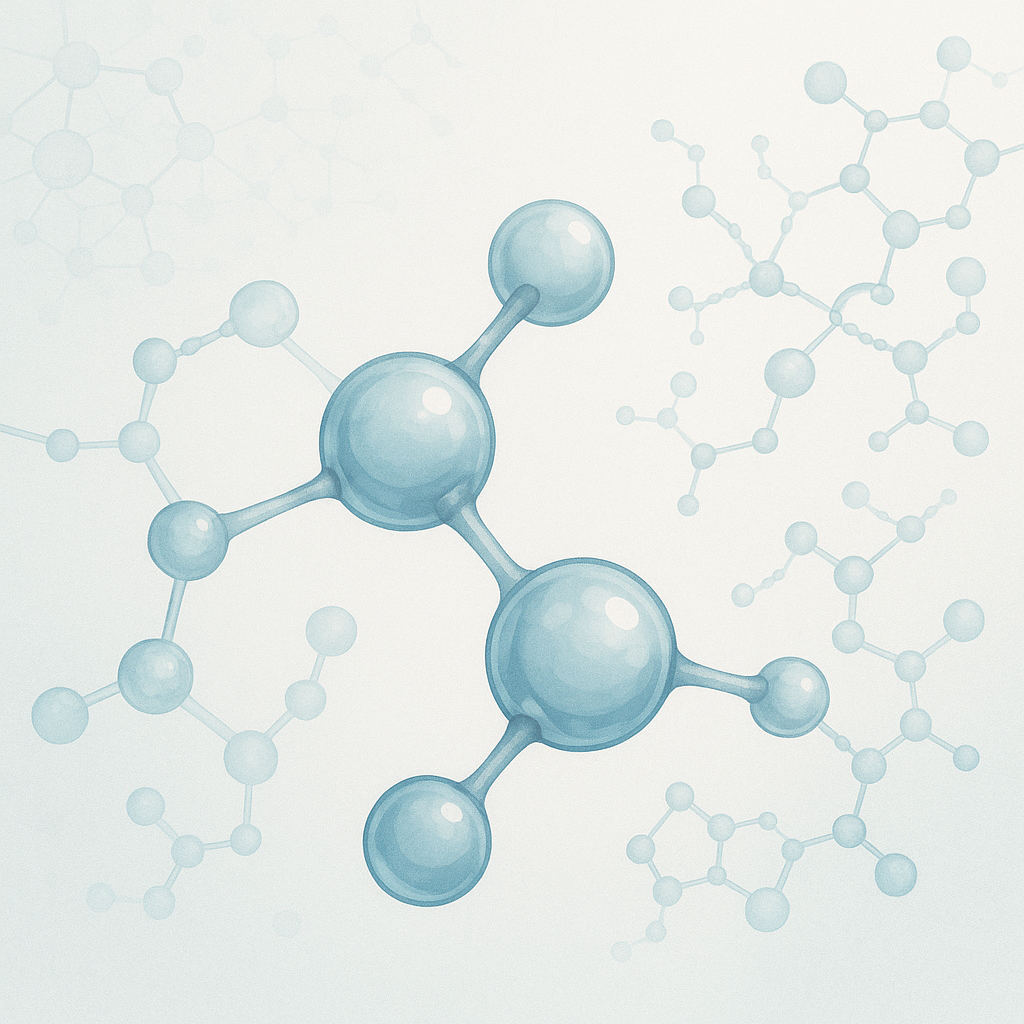
Types of Collagen: What You Need to Know
Collagen is a vital protein that plays a crucial role in maintaining the structure and integrity of various tissues in the body, including skin, bones, tendons, and ligaments. As the most abundant protein in the human body, collagen is often referred to as the “glue” that holds everything together. With the increasing awareness of health and wellness, many people are curious about the different types of collagen and their specific functions. This comprehensive guide will explore the various types of collagen, their sources, benefits, and the role they play in overall health.
What is Collagen?
[Internal Link: Related Guide]
Collagen is a fibrous protein composed of amino acids, primarily glycine, proline, and hydroxyproline. It provides strength and elasticity to connective tissues, ensuring that they function properly. Collagen is not only essential for skin health but also plays a significant role in joint health, muscle strength, and overall bodily functions.
The Different Types of Collagen
There are at least 16 different types of collagen, but the majority of the collagen in the human body is made up of just four types: Type I, Type II, Type III, and Type IV. Each type has unique characteristics and serves different functions within the body. Below, we will delve into each of these primary types of collagen.
Type I Collagen
[Internal Link: Beginner Resource]
Type I collagen is the most abundant form of collagen in the human body, accounting for about 90% of the collagen found in skin, bones, tendons, and ligaments. It is composed of densely packed fibers, providing strength and structural support. Type I collagen is essential for maintaining skin elasticity and firmness, which is why it is often associated with anti-aging products.
Sources of Type I Collagen
- Animal bones
- Skin (especially fish and chicken skin)
- Beef
- Pork
Benefits of Type I Collagen
- Improves skin hydration and elasticity
- Supports bone density
- Promotes wound healing
- Strengthens hair and nails
Type II Collagen
Type II collagen is primarily found in cartilage, which cushions joints and supports their structure. This type of collagen is crucial for joint health and is often used in supplements aimed at reducing joint pain and inflammation.
Sources of Type II Collagen
- Cartilage (especially chicken cartilage)
- Bone broth
- Fish cartilage
Benefits of Type II Collagen
- Reduces joint pain and stiffness
- Improves joint mobility
- Supports cartilage regeneration
Type III Collagen
Type III collagen is often found alongside Type I collagen, particularly in the skin, blood vessels, and internal organs. It is essential for maintaining the structure and elasticity of these tissues. Type III collagen is particularly important during the early stages of wound healing.
Sources of Type III Collagen
- Animal tissues (especially organs)
- Bone marrow
- Skin
Benefits of Type III Collagen
- Supports skin elasticity and hydration
- Promotes wound healing
- Helps maintain vascular health
Type IV Collagen
Type IV collagen is found in the basal lamina, a layer of the extracellular matrix that supports cells and tissues. It plays a crucial role in filtration and is essential for the function of various organs, including the kidneys and the lungs.
Sources of Type IV Collagen
- Basement membranes of tissues
- Skin
- Blood vessels
Benefits of Type IV Collagen
- Supports cellular filtration
- Maintains the structure of tissues and organs
- Plays a role in tissue regeneration
Other Types of Collagen
In addition to the four main types of collagen, there are several other types that serve specific functions in the body. Here is a brief overview of some of these additional collagen types:
Type V Collagen
Type V collagen is found in the hair, placenta, and cell surfaces. It plays a role in the regulation of collagen fibril formation and is important for maintaining the structure of tissues.
Type VI Collagen
Type VI collagen is found in various connective tissues and is involved in anchoring cells to the extracellular matrix. It is essential for maintaining tissue integrity and supporting cell function.
Type VII Collagen
Type VII collagen is primarily found in the skin, where it helps anchor the epidermis to the dermis. It plays a critical role in skin health and integrity.
Type VIII Collagen
Type VIII collagen is present in the endothelium (the inner lining of blood vessels) and is involved in the regulation of blood vessel formation and maintenance.
Collagen Supplements
With the growing popularity of collagen for health and beauty, many people are turning to collagen supplements. These supplements typically contain hydrolyzed collagen (collagen peptides), which are easier for the body to absorb. They come in various forms, including powders, capsules, and liquids.
Benefits of Collagen Supplements
- Improved skin hydration and elasticity
- Reduced joint pain and improved mobility
- Stronger hair and nails
- Support for gut health
Choosing the Right Collagen Supplement
When selecting a collagen supplement, consider the following factors:
- Source: Look for collagen sourced from reputable sources, such as grass-fed bovine, wild-caught fish, or free-range poultry.
- Type: Determine which type of collagen is best suited for your needs. For skin health, Type I is ideal, while Type II is better for joint support.
- Form: Choose a form that fits your lifestyle, whether it be powder, capsules, or liquid.
- Additional Ingredients: Some collagen supplements may include vitamins and minerals that support collagen production, such as vitamin C, biotin, and hyaluronic acid.
Dietary Sources of Collagen
In addition to supplements, you can obtain collagen from various dietary sources. Consuming a balanced diet rich in collagen-promoting nutrients can help support your body’s collagen production. Here are some foods that can enhance collagen synthesis:
Bone Broth
Bone broth is a rich source of collagen, as it is made by simmering animal bones and connective tissues. It is not only nutritious but also versatile and can be used in soups, stews, and sauces.
Fish and Shellfish
Fish, particularly those with skin, and shellfish are excellent sources of collagen. Fish collagen is often easier for the body to absorb compared to other sources.
Chicken
Chicken, especially the skin and cartilage, is a great source of collagen. Consuming chicken broth or soup can help you reap the benefits of collagen.
Eggs
Eggs contain proline, an amino acid that is essential for collagen production. Incorporating eggs into your diet can support your body’s collagen levels.
Leafy Greens
Leafy greens like spinach, kale, and Swiss chard are rich in chlorophyll, which has been shown to increase collagen levels in the skin.
Nuts and Seeds
Nuts and seeds provide essential fatty acids and antioxidants that support collagen production. Almonds, walnuts, and flaxseeds are excellent choices.
Fruits
Citrus fruits, berries, and tropical fruits are rich in vitamin C, which is crucial for collagen synthesis. Incorporating these fruits into your diet can help ensure your body has the necessary nutrients to produce collagen effectively.
Factors Affecting Collagen Production
Several factors can influence the body’s ability to produce collagen. Understanding these factors can help you take proactive steps to maintain healthy collagen levels:
Aging
As we age, collagen production naturally declines, leading to signs of aging such as wrinkles, sagging skin, and joint pain. This decline typically begins around the age of 25 and continues throughout life.
Sun Exposure
Excessive sun exposure can damage collagen fibers in the skin, leading to premature aging and skin damage. Protecting your skin from UV rays is essential for maintaining collagen levels.
Smoking
Smoking has been shown to reduce collagen production and damage existing collagen fibers. Quitting smoking can significantly benefit your skin and overall health.
Poor Diet
A diet lacking in essential nutrients can hinder collagen production. Consuming a balanced diet rich in vitamins, minerals, and protein is crucial for maintaining healthy collagen levels.
Stress
Chronic stress can lead to inflammation and oxidative stress in the body, which can negatively impact collagen production. Finding ways to manage stress, such as through exercise, meditation, or hobbies, can be beneficial.
Conclusion
Understanding the different types of collagen and their roles in the body is essential for maintaining overall health and wellness. From skin elasticity to joint support, collagen plays a vital role in various bodily functions. By incorporating collagen-rich foods into your diet and considering collagen supplements, you can help support your body’s natural collagen production. Remember to also consider lifestyle factors that may affect collagen levels, and take proactive steps to protect your skin and joints as you age.
FAQs
What are the main types of collagen?
The main types of collagen are Type I, Type II, Type III, and Type IV. Each type has unique functions and is found in different tissues throughout the body.
How can I increase collagen production?
You can increase collagen production by consuming collagen-rich foods (such as bone broth, fish, and chicken), taking collagen supplements, and ensuring you have a diet rich in vitamin C and other nutrients that support collagen synthesis.
Are collagen supplements effective?
Many studies suggest that collagen supplements can improve skin elasticity, hydration, and joint health. However, individual results may vary, and it is essential to choose high-quality supplements.
At what age does collagen production decline?
Collagen production typically begins to decline around the age of 25, leading to signs of aging such as wrinkles and joint discomfort.
Can I get collagen from plant-based sources?
While collagen itself is not found in plant-based foods, certain nutrients, such as vitamin C, proline, and glycine, can help support collagen production in the body. Foods like leafy greens, nuts, and seeds can promote collagen synthesis.
Related posts:
 Collagen Peptides: What They Are and Why They Work Better
 Understanding Collagen: The Body’s Essential Protein
 Collagen Types: Exploring the Different Forms and Their Functions
 Understanding Collagen: The Body’s Structural Protein
 Is Collagen a Protein? A Complete Guide to Understanding Collagen and Its Role in the Body
Vegetarian Collagen Alternatives: The Complete Guide
Is Collagen a Protein? A Complete Guide to Understanding Collagen and Its Role in the Body
Vegetarian Collagen Alternatives: The Complete Guide