Understanding Collagen: The Body’s Vital Protein
What is Collagen?
[Internal Link: Related Guide]
Collagen is the most abundant protein in the human body, making up about 30% of the total protein content. It is a vital component of connective tissues, including skin, tendons, ligaments, cartilage, and bones. This fibrous protein plays a crucial role in maintaining the structural integrity and elasticity of these tissues, contributing to overall health and physical function.
The Role of Collagen in the Body
Collagen serves multiple essential functions within the body:
- Structural Support: Collagen provides a scaffold that helps maintain the shape and strength of various tissues.
- Joint Health: It is a critical component of cartilage, which cushions joints and enables smooth movement.
- Skin Elasticity: Collagen contributes to skin elasticity and hydration, helping to reduce wrinkles and signs of aging.
- Bone Strength: Collagen forms the framework for bones, providing them with strength and resilience.
- Wound Healing: It plays a significant role in the healing process by promoting tissue regeneration and repair.
Types of Collagen
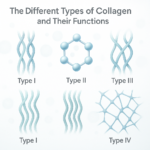
There are at least 16 different types of collagen, but the majority of collagen in the body consists of five main types:
- Type I: The most abundant type, found in skin, tendons, organs, and bones.
- Type II: Primarily found in elastic cartilage, which provides support and cushioning in joints.
- Type III: Found in skin, blood vessels, and internal organs, often alongside Type I collagen.
- Type IV: Located in the layers of the skin and the membranes surrounding organs.
- Type V: Found in hair, the tissues of the placenta, and cell surfaces.
How Is Collagen Produced?
Collagen synthesis occurs naturally in the body, primarily by specialized cells called fibroblasts. The process involves several steps:
- Transcription: The genetic code for collagen is transcribed from DNA to messenger RNA (mRNA).
- Translation: The mRNA is translated into collagen polypeptide chains in the ribosomes.
- Post-Translational Modifications: These chains undergo modifications, including hydroxylation and glycosylation, which are essential for the stability and functionality of collagen.
- Triple Helix Formation: Three polypeptide chains intertwine to form a triple helix structure, which is the functional form of collagen.
- Secretion: The collagen is then secreted into the extracellular space, where it assembles into fibrils and fibers.
Factors Affecting Collagen Production
Various factors can influence the body’s ability to produce collagen:
- Age: Collagen production naturally decreases with age, leading to signs of aging such as wrinkles and joint pain.
- Diet: Nutritional deficiencies, particularly in vitamin C, amino acids, and minerals, can impair collagen synthesis.
- Sun Exposure: UV radiation can damage collagen fibers and reduce its production in the skin.
- Smoking: Tobacco use has been shown to decrease collagen levels and impair wound healing.
- Excess Sugar: High sugar intake can lead to glycation, a process that damages collagen and accelerates aging.
Health Benefits of Collagen
Collagen supplementation has gained popularity due to its potential health benefits, which include:
- Improved Skin Health: Collagen may enhance skin elasticity, hydration, and reduce wrinkles.
- Joint Pain Relief: It may help alleviate joint pain and improve symptoms of osteoarthritis.
- Bone Density: Collagen supplementation may increase bone mineral density and reduce the risk of osteoporosis.
- Muscle Mass: Some studies suggest that collagen can help increase muscle mass and strength.
- Wound Healing: Collagen may accelerate wound healing and improve the appearance of scars.
Sources of Collagen
Collagen can be found in various food sources, particularly animal products. Some of the most common sources include:
- Bone Broth: Made by simmering animal bones, bone broth is rich in collagen and other beneficial nutrients.
- Meat: Cuts of meat that contain connective tissues, such as brisket or shank, are good sources of collagen.
- Fish: Fish skin and scales are high in collagen, making fish a great addition to a collagen-rich diet.
- Dairy Products: Some dairy products contain proteins that can support collagen production.
- Eggs: Egg whites are rich in proline, an amino acid essential for collagen synthesis.
Collagen Supplements
Collagen supplements are available in various forms, including powders, capsules, and liquids. They are typically derived from bovine, porcine, or marine sources. When considering collagen supplements, it is essential to look for high-quality products that are free from additives and fillers.
Types of Collagen Supplements
[Internal Link: Beginner Resource]
Collagen supplements come in different forms:
- Hydrolyzed Collagen: Also known as collagen peptides, this form is broken down into smaller peptides for better absorption.
- Gelatin: A cooked form of collagen that can be used in cooking and baking.
- Collagen Protein Powder: A convenient way to add collagen to smoothies, soups, and other dishes.
How to Choose a Collagen Supplement
When selecting a collagen supplement, consider the following factors:
- Source: Choose a source that aligns with your dietary preferences (e.g., bovine, fish, or porcine).
- Type of Collagen: Different types of collagen may provide specific benefits; for example, Type I is great for skin, while Type II is better for joint health.
- Quality: Look for products that are third-party tested for purity and potency.
- Additional Ingredients: Some supplements may include vitamins or minerals that support collagen production, such as vitamin C.
Potential Risks and Side Effects
While collagen supplements are generally considered safe, some individuals may experience side effects, including:
- Allergic Reactions: Those allergic to the source of collagen (e.g., fish or eggs) should avoid those supplements.
- Digestive Issues: Some people may experience bloating, diarrhea, or constipation when taking collagen supplements.
- Unregulated Products: Not all collagen supplements are created equal; low-quality products may contain harmful additives or contaminants.
Natural Ways to Boost Collagen Production
In addition to dietary sources and supplements, there are several lifestyle changes you can make to naturally enhance collagen production:
- Eat a Balanced Diet: Include foods rich in vitamin C, zinc, and amino acids to support collagen synthesis.
- Stay Hydrated: Proper hydration is essential for maintaining skin elasticity and overall health.
- Protect Your Skin: Use sunscreen to protect against UV damage, which can degrade collagen.
- Avoid Smoking: Quitting smoking can help preserve collagen levels and improve skin health.
- Exercise Regularly: Physical activity can promote circulation and support overall tissue health.
Conclusion
Collagen is a crucial protein that plays an integral role in maintaining the health and function of various tissues in the body. Understanding its importance and how to support its production can lead to improved skin health, joint function, and overall well-being. Whether through dietary sources, supplements, or lifestyle changes, there are many ways to ensure your body has the collagen it needs to thrive.
FAQs
1. What age does collagen production start to decline?
Collagen production typically begins to decline in the mid-20s, with a noticeable decrease occurring around age 30. This decline can lead to signs of aging, such as wrinkles and joint discomfort.
2. How long does it take to see results from collagen supplements?
Results from collagen supplementation can vary based on individual factors and the specific benefits being targeted. Generally, users may start to notice improvements in skin elasticity and hydration within 4 to 8 weeks of consistent use.
3. Are there plant-based sources of collagen?
While collagen itself is not found in plant sources, certain foods can help support the body’s natural collagen production. Foods rich in vitamin C (like citrus fruits and bell peppers), amino acids (like beans and legumes), and zinc (like nuts and seeds) can be beneficial.
4. Can I take collagen if I am vegetarian or vegan?
Most collagen supplements are derived from animal sources, making them unsuitable for vegetarians and vegans. However, individuals following these diets can focus on consuming nutrients that support collagen production and consider plant-based alternatives that promote skin and joint health.
5. Is it safe to take collagen supplements daily?
For most people, taking collagen supplements daily is considered safe. However, it is always advisable to consult with a healthcare professional before starting any new supplement regimen, especially if you have underlying health conditions or allergies.
Related posts:
 Collagen Peptides: What They Are and Why They Work Better
 Understanding Collagen: The Body’s Essential Protein
 The Science of Collagen: Understanding Its Role in the Body
 The Different Types of Collagen and Their Functions
 Is Collagen a Protein? A Complete Guide to Understanding Collagen and Its Role in the Body
Vegetarian Collagen Alternatives: The Complete Guide
Is Collagen a Protein? A Complete Guide to Understanding Collagen and Its Role in the Body
Vegetarian Collagen Alternatives: The Complete Guide